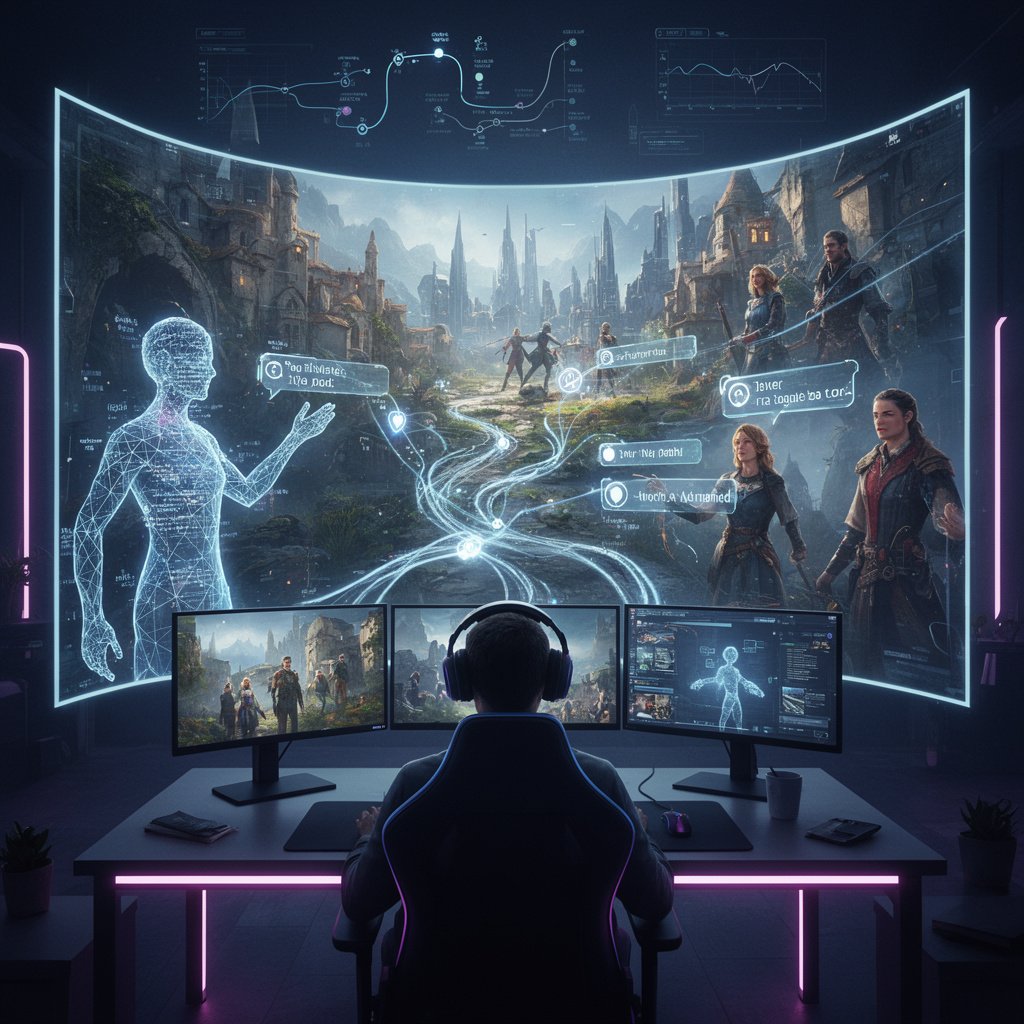
I still remember the exact moment everything clicked for me. I was playing a narrative-driven game where my character confronted a village elder about a missing artifact. But instead of cycling through pre-written dialogue options, the conversation unfolded naturally. The elder remembered something I’d said hours earlier, a throwaway comment I’d almost forgotten, and wove it into his response.
That wasn’t scripted. That was dynamic storytelling powered by artificial intelligence, and it fundamentally changed how I think about narrative experiences.
What Makes Storytelling “Dynamic”?
Traditional storytelling follows predetermined paths. Whether you’re reading a novel, watching a film, or playing a video game, someone crafted every word and scene in advance. Branching narratives in games offered some variation choose door A or door B, but ultimately led to scripted outcomes.
Dynamic storytelling breaks that mold entirely.
These systems generate narrative elements in real time, responding to player actions, choices, and even play styles in ways writers couldn’t anticipate. The story becomes a living thing, adapting and evolving based on who’s experiencing it.
Think of it like improvisational theater with infinite patience. The AI maintains narrative coherence while allowing genuine unpredictability. No two playthroughs are identical because the story itself reshapes around each experience.
Where This Technology Already Exists
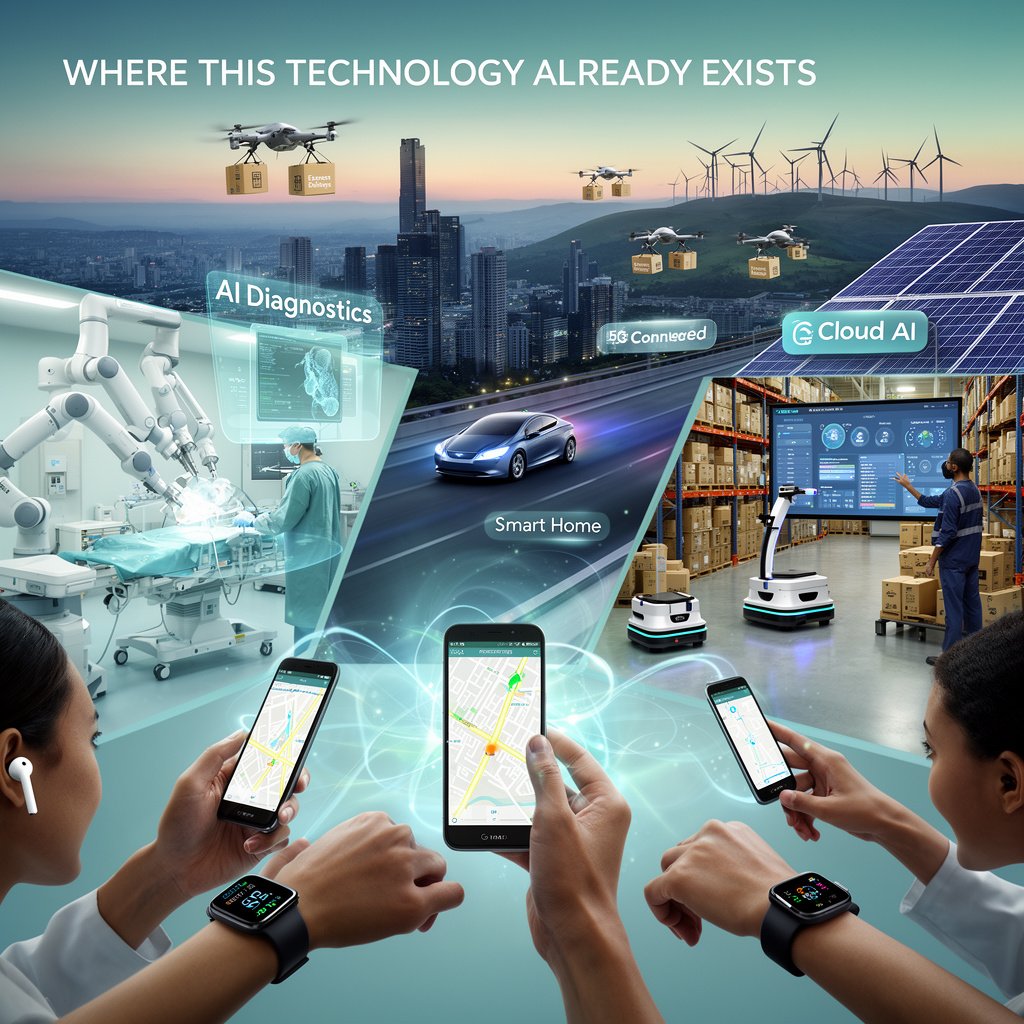
Gaming leads the charge, unsurprisingly. Studios like Latitude, with their AI Dungeon project, pioneered text-based adventures where literally anything could happen. Type the one you want to negotiate with the dragon rather than fight it? The system generates a diplomatic encounter that never existed before.
More polished examples are emerging in mainstream titles. Several indie developers have created games where NPC personalities develop based on player interactions over dozens of hours. Characters remember grudges, form genuine bonds, and react to your reputation in ways that feel eerily personal.
But gaming isn’t the only playground.
Interactive fiction apps now offer personalized romance stories, mystery novels, and fantasy adventures that adapt to reader preferences. One platform I explored last year let users influence not just plot decisions but tonal elements, darker themes for some readers, lighter fare for others, all generated on the fly.
Educational technology has embraced dynamic storytelling, too. Language learning applications create immersive scenarios where students practice conversations that evolve based on their responses. Historical simulations let students experience events from multiple perspectives, with narratives adjusting to teach specific concepts.
The Creative Collaboration Nobody Expected
Here’s something that surprised me when I started exploring this space: the best dynamic storytelling doesn’t replace human creativity, it amplifies it.
Writers and game designers are becoming narrative architects rather than sole authors. They establish characters, settings, rules, and emotional beats, then let AI systems generate variations within those parameters. It’s like conducting an orchestra that improvises around themes you’ve composed.
One game developer I interviewed described it as “setting up dominoes without knowing exactly how they’ll fall.” She creates character motivations, conflict potential, and world logic. The AI handles moment-to-moment dialogue and unexpected player choices.
The results can be genuinely moving. Players report stronger emotional connections to dynamically generated characters because interactions feel authentic rather than transactional. When an NPC remembers your birthday in a game because you mentioned it casually thirty hours earlier, that registers differently than scripted sentimentality.
The Limitations Are Real
Let’s be honest about what doesn’t work yet.
Coherence over extended narratives remains challenging. AI systems can generate compelling scenes but sometimes lose track of broader plot threads. Characters might contradict earlier statements or forget significant events. The technology struggles with the careful foreshadowing and payoff structures that define great storytelling.
Emotional depth presents another hurdle. While dynamic systems excel at reactive dialogue, they often miss the subtle character development that makes audiences truly invested. A human writer understands grief differently than an algorithm parsing sentiment data.
There’s also the uncanny valley of narrative, that unsettling feeling when something almost works but doesn’t quite. Players sometimes notice when generated content lacks the intentionality behind human-crafted moments. It’s technically impressive but emotionally hollow.
Ethical Questions Worth Considering
The personalization capabilities raise legitimate concerns. If stories adapt to individual preferences, do they risk creating echo chambers? Could dynamic narratives manipulate emotions more effectively than traditional media, raising questions about consent and psychological impact?
Content generation at scale also introduces moderation challenges. When narratives emerge from AI systems rather than human oversight, problematic content can appear unpredictably. Several platforms have faced criticism for generating offensive or harmful material.
Authorship becomes philosophically murky too. When AI generates most narrative content, who deserves creative credit? How do we compensate human contributors fairly when their work becomes raw material for endless variations?
What’s Coming Next
The trajectory points toward increasingly seamless experiences. Natural language processing improvements mean player input, spoken or typed,d will drive narratives more naturally. Character systems are developing persistent personalities that grow across multiple games or sessions.
Virtual reality integration promises fully immersive, dynamic worlds where physical presence influences story outcomes. Imagine walking through a mystery where the environment itself responds to your investigation style, generating clues and red herrings based on your behavior.
Cross-media possibilities intrigue me most. Dynamic audiobooks that adjust pacing to your attention. Films with scenes that vary between viewings. Serialized podcasts that incorporate listener feedback into subsequent episodes.
Finding the Balance
The most successful applications I’ve encountered treat AI as a collaborative tool rather than a replacement for human creativity. Dynamic storytelling works best when designers establish strong foundations, compelling characters, meaningful conflicts, resonant themes, and let artificial intelligence handle variation and responsiveness.
We’re not witnessing the death of authored narratives. We’re watching the birth of a new form that exists alongside traditional storytelling. Some experiences benefit from the crafted precision of human-written scripts. Others thrive on unpredictable, personalized journeys.
The technology will improve. Coherence problems will diminish. Emotional sophistication will develop. But the fundamental appeal of dynamic storytelling is the feeling that this story is yours, shaped by your choices and personality, that magic is already here.
Frequently Asked Questions
What exactly is dynamic storytelling with AI?
It’s narrative content that generates and adapts in real time based on user actions, preferences, and interactions rather than following predetermined scripts.
Which games use dynamic storytelling best?
AI Dungeon pioneered the space, while titles like Façade and newer indie games incorporate sophisticated narrative AI. Major studios are increasingly experimenting with hybrid approaches.
Will AI replace human writers in entertainment?
Unlikely in the foreseeable future. Current technology works best when humans establish creative foundations that AI systems then expand and personalize.
Is dynamic storytelling only for games?
No applications include interactive fiction, educational simulations, language learning, personalized audiobooks, and experimental film projects.
What are the main limitations currently?
Long-term coherence, emotional depth, and occasional content quality issues remain significant challenges requiring human oversight.
Does personalized storytelling raise privacy concerns?
Yes, particularly when systems learn preferences from behavioral data. Users should understand what information drives their personalized experience.